In your 40s and 50s, your professional image is more important than ever. You’ve spent years honing your skills and building your career, and your appearance should reflect the confidence, experience, and leadership you’ve cultivated. As you move through your career, the way you dress can significantly influence how you’re perceived—by clients, colleagues, and superiors alike.
So, how can you update your corporate wardrobe to stay relevant, stylish, and authoritative, while still staying true to your age and personal style? Here are the key elements of corporate styling for men in their 40s and 50s.
1. Embrace Timeless Elegance
As you enter your 40s and 50s, it’s time to move away from overly trendy or youthful fashion choices and focus on classic, well-made pieces that reflect maturity and confidence. The key is to opt for timeless items that are sophisticated, sharp, and versatile—ones that transcend fleeting trends and continue to serve you for years.
Key Items to Invest In:
Tailored Suits: A well-fitting suit is a must-have. It should be structured yet comfortable, allowing you to move freely while projecting an authoritative image. Choose neutral colors like navy, charcoal, and dark gray, which are timeless and professional.
Dress Shirts: Stick to classic dress shirts in solid colors (white, light blue, and light gray) or subtle patterns (thin stripes or checks). These versatile options can be paired with a variety of suits or jackets.
Quality Knitwear: As you get older, knitwear becomes a great way to add polish and warmth. Invest in high-quality cashmere or merino wool sweaters that work both for layering under a blazer or as a standalone piece.

2. Perfect the Fit
Fit is everything when it comes to dressing well in your 40s and 50s. Clothing that is too tight or too loose can detract from the professional image you want to project. Aim for a comfortable, well-tailored fit that flatters your shape without being restrictive. If you find it difficult to find off-the-rack clothing that fits well, consider working with a tailor who can make adjustments for you.
Fit Tips:
Suits: Avoid baggy or overly slim suits. Opt for a suit with a modern cut—slim through the chest and shoulders with a slightly tapered leg. A slight break at the trousers will keep the look balanced.
Shirts: Ensure that your shirts fit well at the collar (comfortable, not too tight) and at the shoulders. The sleeves should end just above the wrist to avoid looking too long or too short.
Jackets and Blazers: A well-fitting jacket should hug your shoulders without pulling across the chest. The hem should just cover the waistband of your trousers, not extending too far down or too high.
3. Choose High-Quality Fabrics
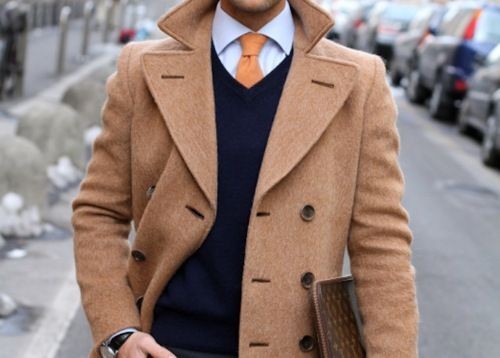
As you get older, the quality of your clothing becomes even more important. Opt for fabrics that not only look polished but also feel comfortable and breathable throughout the day. Invest in high-end materials like wool, cotton, and cashmere that will last longer and retain their appearance.
Top Fabric Choices:
Wool: A perennial classic for suits and trousers, wool is breathable, resistant to wrinkles, and retains its shape.
Cotton: Cotton shirts and chinos are great options for warmer climates or more casual work environments.
Cashmere: Soft, luxurious, and incredibly warm, cashmere sweaters and scarves elevate your wardrobe with a refined touch.
4. Subtle Colors and Patterns
While bold colors and patterns can be fun, they can also be overwhelming for professional settings, especially as you get older. In your 40s and 50s, stick to muted, classic tones like navy, gray, black, and earth tones. You can add a touch of personality with subtle patterns, like houndstooth, pinstripes, or gingham, but make sure the overall look remains sophisticated.
Color and Pattern Tips:
Neutral Tones: These colors look polished and are easy to mix and match. Stick to dark blues, grays, and blacks for your suits, paired with lighter shirts in soft whites and blues.
Accent Colors: Add a pop of color with ties, scarves, pocket squares, or cufflinks. A rich burgundy, deep green, or soft pastel can brighten your look without drawing too much attention.
Minimal Patterns: Opt for pinstripes, checks, or subtle plaids to keep your look sharp and professional without going overboard.
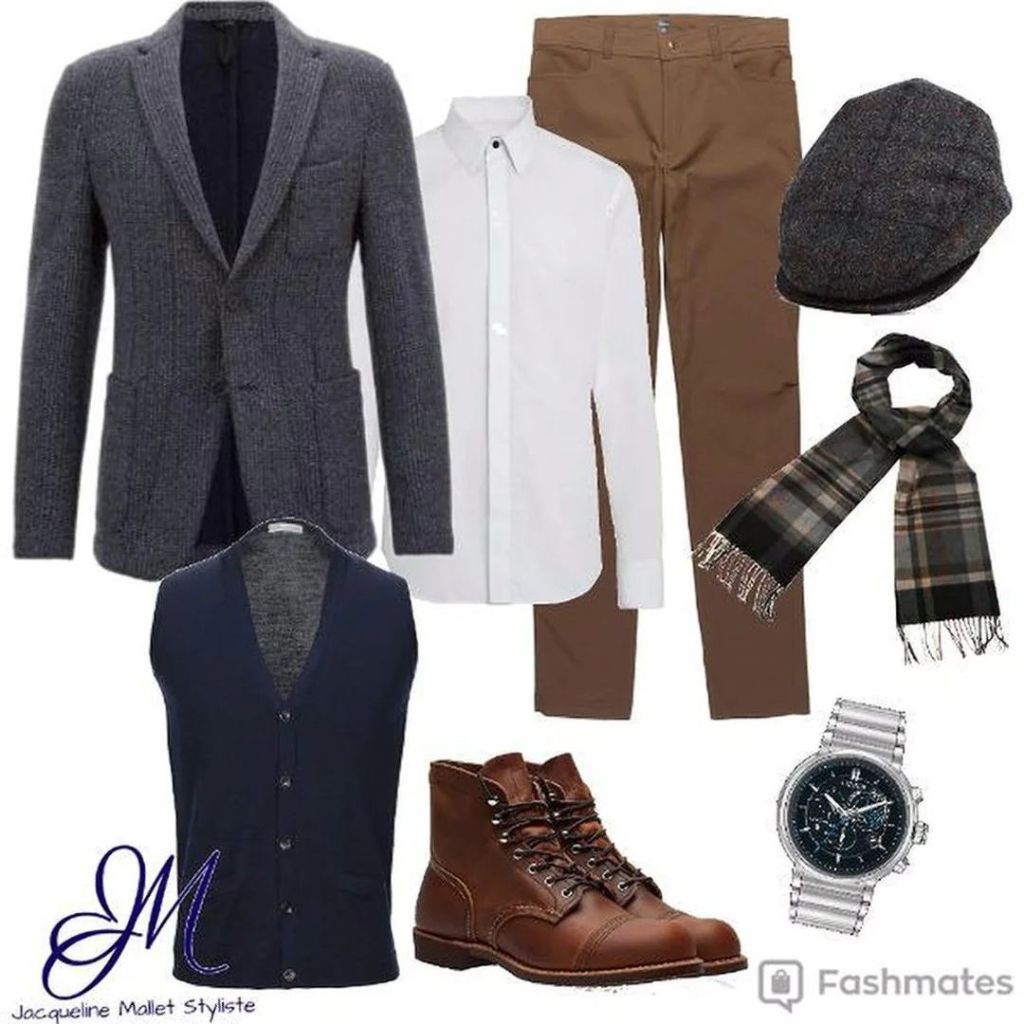
5. Invest in Accessories That Complete the Look
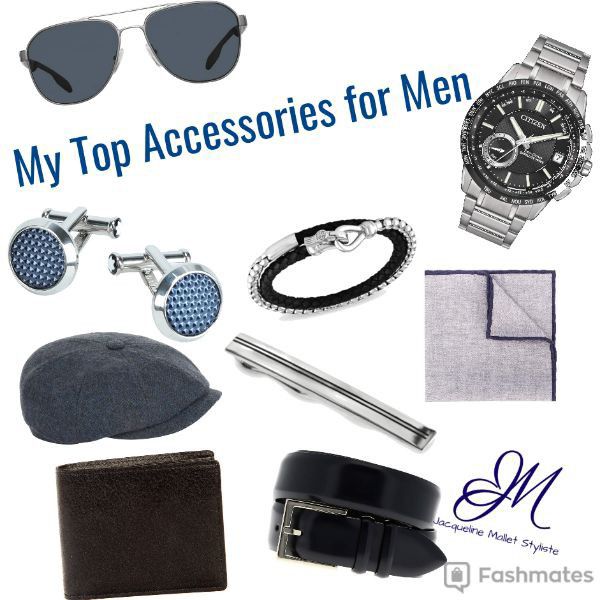
Accessories are the finishing touches that can elevate your outfit. However, less is more—focus on quality over quantity. A few carefully chosen pieces can make all the difference in refining your professional image.
Key Accessories for Men in Their 40s and 50s:
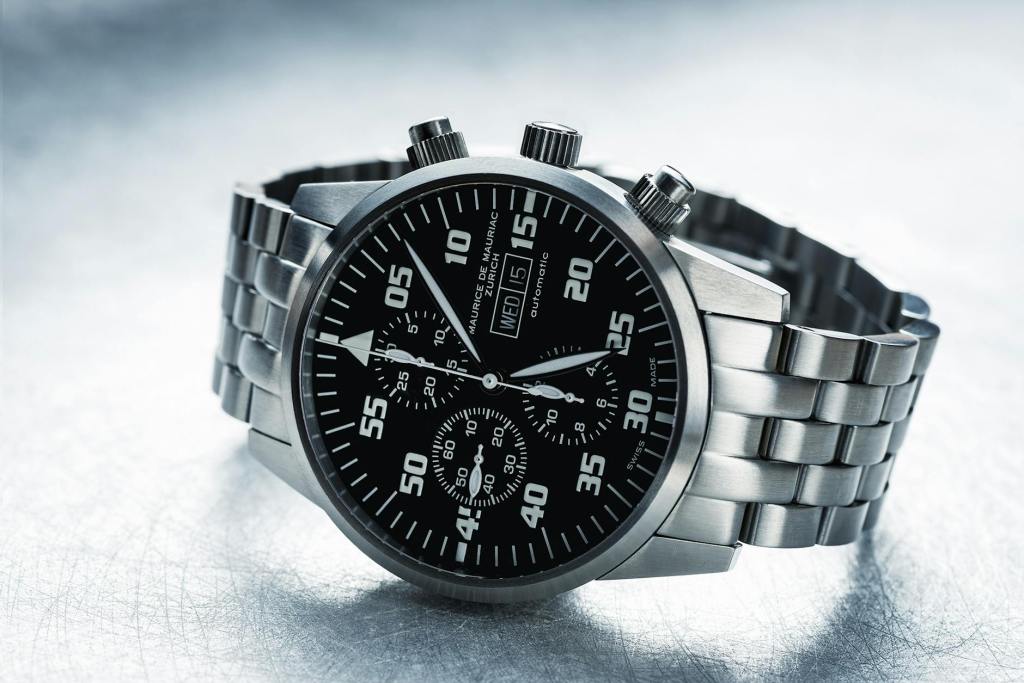
Watches: A sleek, timeless watch communicates professionalism and attention to detail. Opt for classic styles like leather-strapped or stainless steel watches that complement your outfit.
Belts: Choose a leather belt that matches your shoes in both color and texture. A simple, quality belt goes a long way in tying your look together.
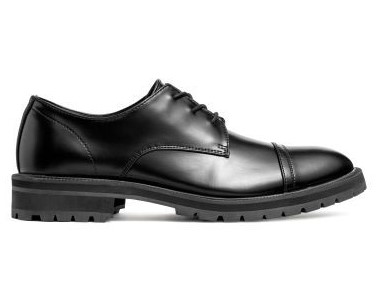
Shoes: Your shoes should be clean, polished, and made from quality materials. Leather oxfords, brogues, or loafers in neutral shades will suit most business environments.
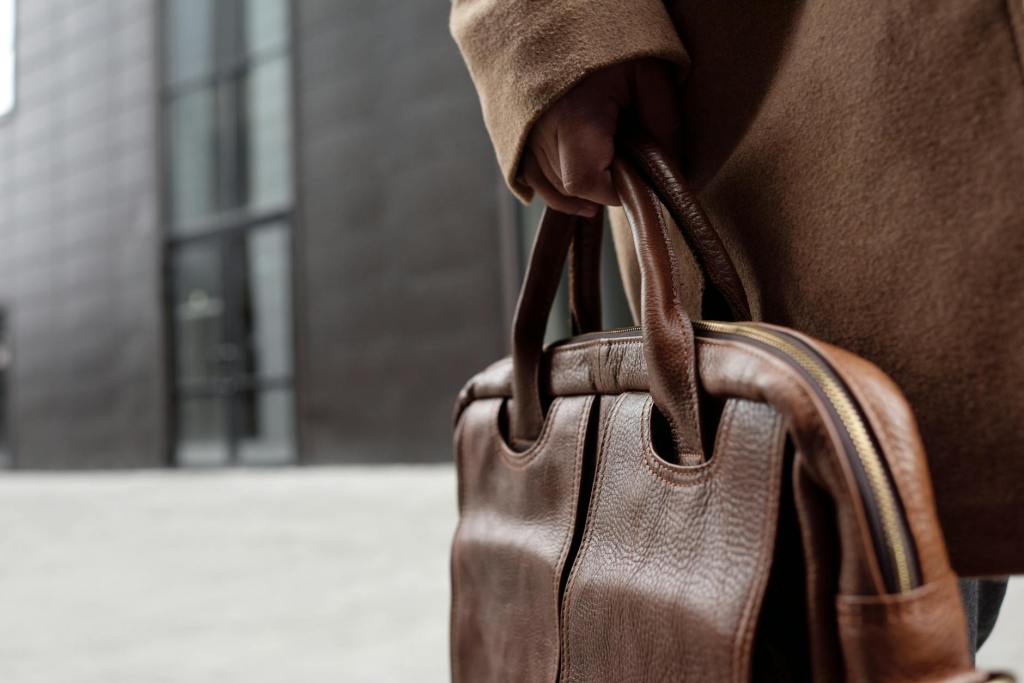
Briefcases and Bags: A stylish, high-quality leather briefcase or messenger bag can elevate your outfit and is essential for carrying your essentials with style.
6. Master the Art of Layering
Layering is an important technique for adding sophistication and adaptability to your corporate wardrobe. It not only helps you adjust your outfit to changing weather but also creates depth and texture, making your look more dynamic.
Layering Essentials:
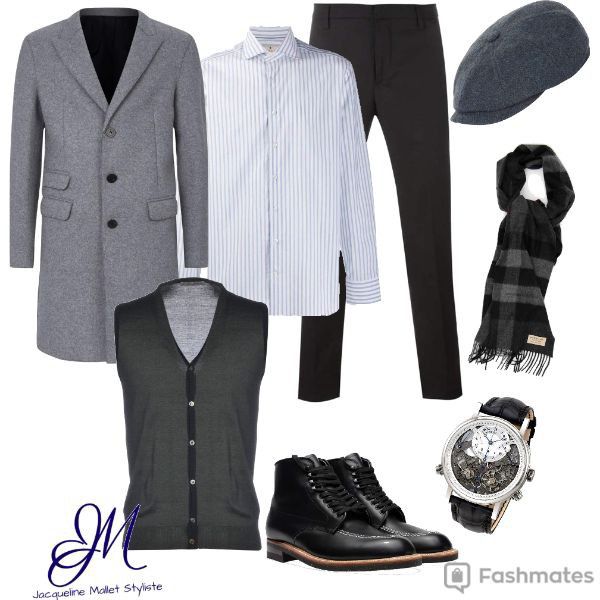
Blazers and Sports Coats: Perfect for layering over shirts and sweaters, blazers add structure and style to any outfit.
Vests: A well-tailored vest worn under a suit jacket adds an extra dimension to your look. It’s particularly useful for formal events or colder months.
Scarves and Outerwear: Invest in a high-quality wool scarf and a classic trench coat or overcoat for winter. These items are practical but also give your ensemble a polished finish.
7. Avoid Overly Casual Pieces
As you advance in your career, avoid clothing that is too casual or youthful. Denim, graphic tees, and overly casual shoes like sneakers can undermine your professional image. If your office environment is business casual, opt for chinos, polo shirts, or casual blazers instead.
Conclusion: Elevate Your Professional Presence
At this stage in your career, your style should reflect the depth of your experience, your refined taste, and your leadership abilities. A well-curated corporate wardrobe that emphasizes timeless elegance, impeccable fit, and quality fabrics can elevate your image and help you navigate your career with confidence.
Investing in these key pieces ensures you look polished and authoritative at all times, and helps you make the best impression—whether you’re leading a meeting, networking at an event, or closing a deal.
Ready to upgrade your corporate wardrobe? Reach out for personalized styling advice tailored to your unique needs.
Jacqueline
—
Need help refining your corporate wardrobe? Contact me for a one-on-one styling consultation, and let’s create a wardrobe that suits your professional goals.
 Jacqueline Mallet Styliste
Leave a comment